
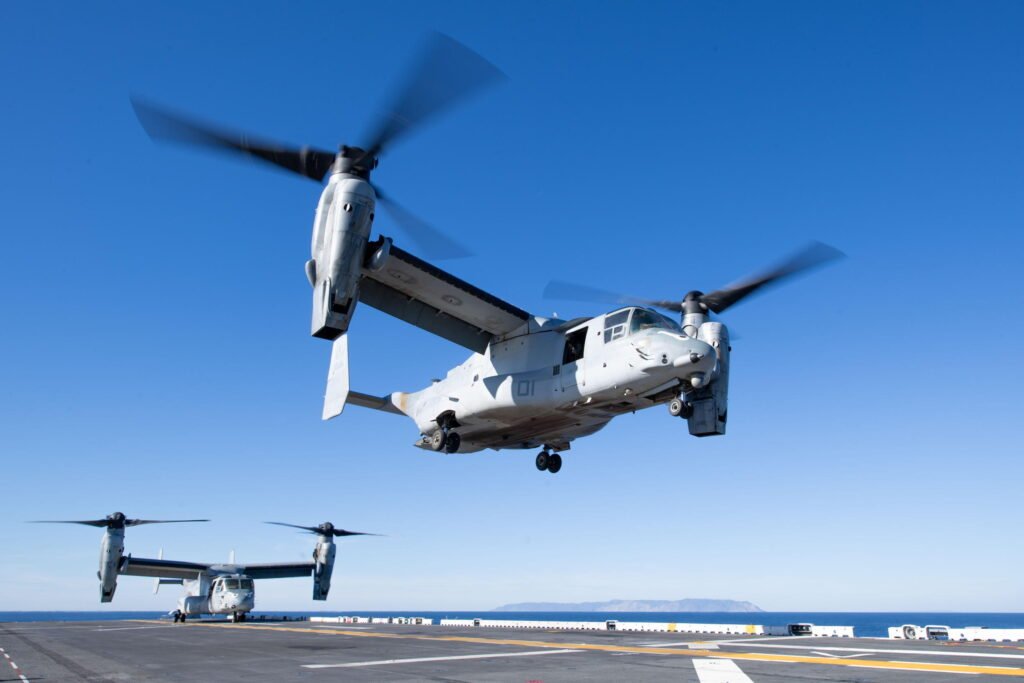
As photographers, we often find ourselves drawn to capturing moments that are both profound and challenging. Sometimes, this means documenting events that are, by their very nature, incredibly sensitive and demand the utmost professionalism. One such area is aerial photography in the coverage of serious incidents, like helicopter crashes. It’s a field that requires not just technical prowess, but also a deep understanding of ethics and safety.
The Unique Perspective from Above
Why do we even bother with aerial shots in such dire situations? Well, a bird’s-eye view provides an irreplaceable perspective. It allows us to grasp the full scope of a scene – the debris field, the impact zone, the deployment of emergency services – in a way ground-level shots simply can’t. This broad context is vital for investigators, news agencies, and even for public understanding (when handled responsibly). When you’re trying to tell the whole story, sometimes you need to literally step back and see the bigger picture.
Essential Techniques for Capturing Aerial Detail
Getting a clean, sharp image from a moving platform, whether it’s a helicopter or a drone, is no small feat. You’re battling vibration, rapidly changing light, and often, significant distances. Here’s what I’ve learned:
- Camera Choice is Key: For aerial work, you need something robust and reliable. High-end mirrorless cameras or DSLRs with excellent low-light capabilities are a must. Think full-frame sensors for maximum detail and dynamic range.
- Lenses that Perform: A good telephoto zoom (like a 70-200mm f/2.8) is often indispensable, allowing you to get close to the action safely without physically being too near. Wide-angle options are great for establishing the overall scene. Remember, clarity is paramount, so investing in quality glass is crucial. Learn more about choosing the correct lenses and understanding focal length.
- Shutter Speed is Your Friend: To freeze motion from a moving platform, you’ll need fast shutter speeds – I’m talking 1/1000s or faster, depending on your speed and altitude. Don’t be afraid to bump up your ISO if light is an issue; modern cameras handle noise remarkably well.
- Stabilization is Non-Negotiable: Whether it’s in-body image stabilization, lens stabilization, or a dedicated gimbal system for your drone, minimizing shake is critical for crisp shots.
- Composition from Above: It’s a different ballgame. Look for leading lines, patterns, and ways to frame the wreckage or the emergency response in a way that conveys information clearly and respectfully.
The Rise of Drone Technology in Coverage
Drones have revolutionized aerial photography, making it more accessible and versatile. For crash coverage, they offer unparalleled maneuverability and the ability to get into areas that might be too dangerous or restricted for manned aircraft. However, with this power comes immense responsibility:
- Regulations are Strict: Always, and I mean *always*, be aware of local airspace restrictions and flight regulations. Crash sites are typically no-fly zones for unauthorized drones. Operating without permission can impede rescue efforts and lead to severe legal penalties.
- Battery Life and Range: These are practical concerns. You need sufficient battery life to get the shots you need and return safely. Always carry multiple fully charged batteries.
- High-Resolution Capabilities: Modern drones, like the DJI Mavic series (Affiliate Link: Check out professional drones on Amazon), often come equipped with impressive cameras capable of capturing high-resolution stills and video, which is crucial for detailed investigation and reporting.
Ethical Considerations: More Than Just a Pretty Picture
This is where the ‘human’ element really comes in. When dealing with tragedy, our role shifts from simply capturing an image to bearing witness with respect and empathy. My personal rule of thumb is: if I wouldn’t want this photo taken of my loved ones in a similar situation, I won’t take it. It’s not about sensationalism; it’s about informative documentation.
- Respect for Privacy: Avoid identifiable victims or overly graphic content. The goal is to inform, not to shock or exploit.
- Working with Authorities: Cooperation is essential. If authorities are on site, seek their guidance or permission. They often have established media zones for a reason.
- Purposeful Imagery: Every shot should have a purpose beyond mere curiosity. Is it helping to tell the story, aid in investigation, or demonstrate the scale of the event? If not, it might not be necessary.
My Takeaway
I’ve been in situations where the adrenaline is pumping, and the urge to get *that* shot is strong. But taking a moment to consider the impact of your photography, especially from the air, is paramount. It’s about leveraging powerful camera kits and equipment and advanced techniques not just for aesthetics, but for responsible storytelling. Post-production, too, needs a careful hand. You can learn more about post-production essentials and working in RAW to ensure your edits maintain integrity.
Aerial photography of sensitive incidents is a specialty that demands a blend of technical skill, a solid understanding of airspace, and, most importantly, ethical judgment. It’s a powerful tool, and like any powerful tool, it must be wielded with care. It’s not just about the techniques and technologies, but the human behind the lens, making thoughtful decisions in challenging environments.