
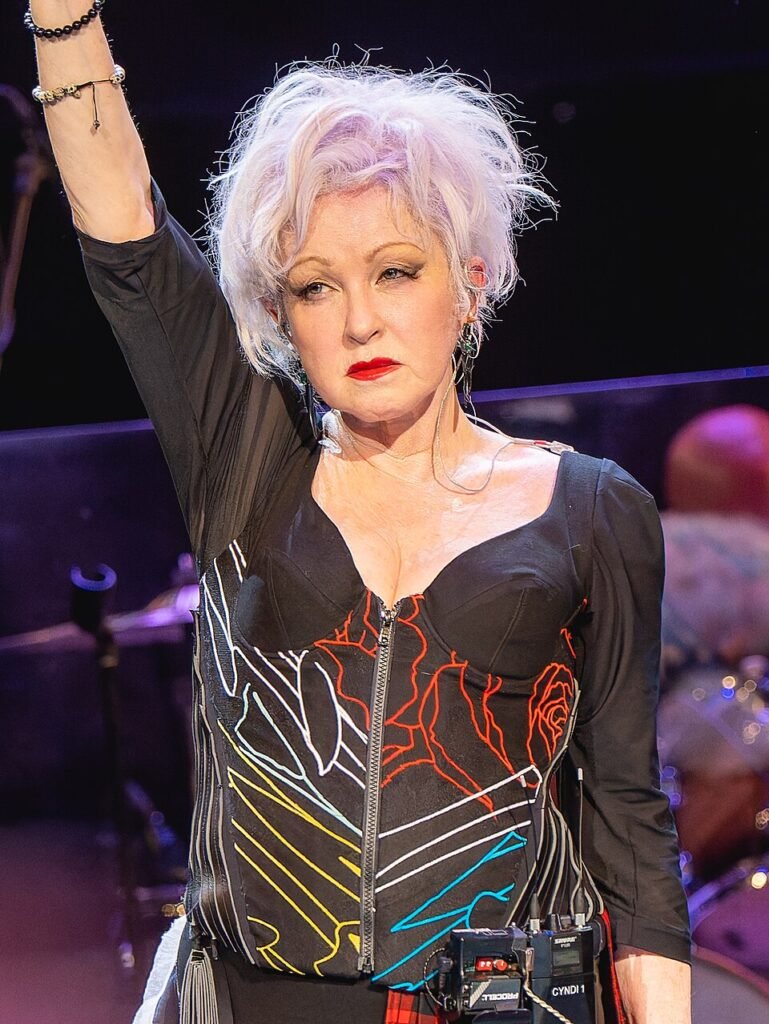
I still remember my first major awards red carpet—elbows tucked in, knees slightly bent, eyes glued to the viewfinder as a publicist counted down “two shots only.” The pressure is real, but when everything clicks (exposure, timing, micro-expression), that single frame becomes the moment fans remember. At The Grammys, photography doesn’t just document; it defines how performers are seen the next morning.
In this guide, I’ll walk you through how photographs shape the image of The Grammys performers—from the step-and-repeat and backstage candids to the energy of live performances—plus the gear, lighting, settings, and rapid workflows that help you nail it under brutal deadlines.
Why photos of The Grammys performers matter so much
Public perception is built on a handful of images: the confident red-carpet pose, the long-lens performance shot that catches a note mid-air, the quiet backstage glance. Editors curate these to tell a story—glamour, artistry, vulnerability. As photographers, our choices (lens, angle, light, split-second timing) shape that story for millions who won’t be there in person.
If you’re new to this world, brush up on fundamentals before you dive in: The Essentials of Photography, Understanding Light, White Balance, Shutter Speed, ISO, and Aperture.
Red carpet: building the myth in 1/250 second
The step-and-repeat is controlled chaos—publicists cue talent, you get a tiny window, and the light is often mixed (LED panels, tungsten spill, on-camera flashes). It’s where “the look” is made: clean, flattering light and confident body language.
- Lenses: A fast 24–70mm f/2.8 for full-length to half-length, and a 70–200mm f/2.8 for tight headshots across the line. Primes (35/1.4, 50/1.2–1.4, 85/1.2–1.8) are fantastic if your spot is fixed. See our piece on picking the correct lenses.
- Lighting: On-camera flashes are the norm. Feather the head, avoid harsh raccoon shadows, and gel if the ambient skews warm. A simple bounce card helps inside tents. Review Fill-in Flash.
- Framing: Give editors options: full-length (dress/suit details), mid (jewelry, makeup), and a tight portrait.
- Etiquette: Keep cues short and consistent: “Chin down a touch—beautiful. Look to camera. One more for safety.”
Typical starting point: 1/200–1/250s, f/4–f/5.6, ISO 400–1000 with flash TTL or manual at 1/16–1/8 power. If LED panels flicker, enable anti-flicker and/or sync to 1/100–1/125s and adjust flash output.
Backstage candids: the human moments
Between rehearsals, dressing rooms, and side-stage cues, you’ll find micro-stories—quiet breaths, last-minute fixes, a hug before showtime. Keep your footprint tiny and your shutter quiet.
- Gear: Small bodies and unobtrusive lenses (35mm or 50mm primes) keep you nimble and close without intruding.
- Light: Work with available light where possible; if you must add, go subtle—diffused on-camera flash or a tiny off-camera bounce.
- Ethics: Respect boundaries and embargoes. Backstage access is trust; don’t blow it.
Live show: electricity, LEDs, and no second chances
Stage lighting is spectacular—and tricky. Modern LED walls and movers can cause banding with electronic shutters. If your camera supports it, use anti-flicker or a fast-scan sensor. Otherwise, switch to mechanical for safe frames.
- Shutter/ISO: 1/500s–1/1000s to freeze jumps and hair flicks; ISO 1600–6400 is common. See our notes on controlling movement and ISO.
- Glass: 70–200mm f/2.8 is the workhorse; 135mm f/1.8 or 85mm f/1.4 primes are gorgeous for isolating performers.
- Focus: Eye-AF with expanded zone; don’t be afraid to revert to single-point if haze and backlight confuse the system. Brush up on focusing.
- Sound: Protect your hearing; shows get loud.
Remember: a single perfectly-timed frame—mic silhouette, spotlight rim light, hand in the air—can become the image of the night for a performer.
Recommended cameras and lenses (affiliate)
These are proven bodies and lenses for red carpet and show coverage. We may earn a commission if you buy through the links below, at no cost to you.
- Sony a1 — fast scan sensor, killer AF: B&H
- Sony a9 III — global shutter for flicker-prone LED stages: B&H
- Canon EOS R3 — superb subject tracking, great ergonomics: B&H
- Nikon Z9 — rugged, fast AF, deep buffer: B&H
- 24–70mm f/2.8: Sony | Canon | Nikon
- 70–200mm f/2.8: Sony | Canon | Nikon
- Fast primes: 35/1.4, 50/1.2–1.4, 85/1.2–1.8, 135/1.8 depending on your system.
Shopping for a first full-frame? Start here: Best Full-Frame Cameras and our quick overviews of DSLR cameras vs mirrorless cameras.
Lighting that flatters under pressure (affiliate)
- On‑camera flashes: Profoto A10 or Godox V1 (choose your mount).
- Compact off‑camera: Godox AD200Pro with a small umbrella or softbox for backstage setups.
- Accessories: High‑capacity batteries, CFexpress Type‑B cards, and a comfortable belt like Think Tank. For your ears: Etymotic ER20.
Master the foundation first: Understanding Light and Fill‑in Flash.
Settings cheat sheet for The Grammys performers
- Red carpet (flash): 1/200–1/250s, f/4–f/5.6, ISO 400–1000; manual flash 1/16–1/8 or TTL; white balance flash or custom.
- Red carpet (available light): 1/160s, f/2.8–f/4, ISO 1600–3200; set Kelvin to match LEDs (often 4000–5200K) and fine‑tune in RAW.
- Backstage: 1/125s, f/1.8–f/2.8, ISO 1600–6400; silent shutter; keep it gentle if you add light.
- Live show: 1/500–1/1000s, f/2.8–f/3.5, ISO 3200–6400; mechanical shutter if LED banding appears; activate anti‑flicker.
More depth here: Metering, Depth of Field, and balancing exposure manually.
Workflow on deadline: fast, clean, ethical
Red carpet to wire in 10 minutes is normal. Live-show selects can be even tighter. Your workflow must be bulletproof.
- Ingest & cull: Dual-slot record. Ingest to laptop. Cull with Photo Mechanic (for speed) or Lightroom’s new fast import. Apply IPTC templates.
- Edit: Shoot RAW, keep a consistent look. Use Lightroom or Camera Raw for color and skin tone; finalize in Photoshop if needed. See Working in RAW and Post-Production.
- AI helpers: Lightroom Denoise, Masking for skin/eyes, and Topaz Photo AI or DxO PureRAW for tough high-ISO noise or mild motion blur. Keep it editorially honest—no content additions or removals.
- Delivery: Export sRGB JPEGs, 3000–4500px long edge unless your outlet demands otherwise. Name consistently. Embed captions and keywords.
Want a broader context on big-event coverage? Read: Behind the Lens: Capturing the Magic of The Grammys Performers.
Pose cues that read well on wire images
- 3/4 turn toward light, chin slightly down, eyes to lens.
- Hands: one on hip or soft clasp; watch fingers and stray hair.
- Weight on back foot for a natural line; dress details visible.
- Offer quick micro-cues: “One to your left for variety… now a smile… now serious.”
For technical refreshers that keep poses crisp and sharp: best lenses for portrait photography and a classic on kit lens vs other lenses.
Logistics and sanity savers
- Crew & credentials: Respect zones (red carpet, photo pit, backstage). Ask before stepping into another outlet’s spot.
- Backups: Body + body, lens + lens, flash + flash. Cards are cheap; missed moments are not.
- Clothing: Dark, breathable, quiet fabrics; shoes you can sprint in.
- Checklists: Batteries charged, clocks synced, metadata templates loaded, rain covers packed.
The Grammys are unforgiving to hesitation. Prep is peace. When the performer locks eyes with your lens, you either have it—or you don’t.
Field notes, NepShoot
Learn, practice, repeat
If you want to level up quickly, join a photography workshop or explore a specialized photography course. Nothing replaces reps under pressure.
Affiliate disclosure: Some links above are affiliate links. If you purchase through them, we may earn a small commission at no extra cost to you. It helps us create free, in-depth guides like this.
Related reads: White Balance · Image Resolution · Long Exposure Photography (for creative motion), and Post‑Production.
Got questions about covering The Grammys performers? Drop them in the comments—I’ll share what’s worked (and what I’ve learned the hard way).