
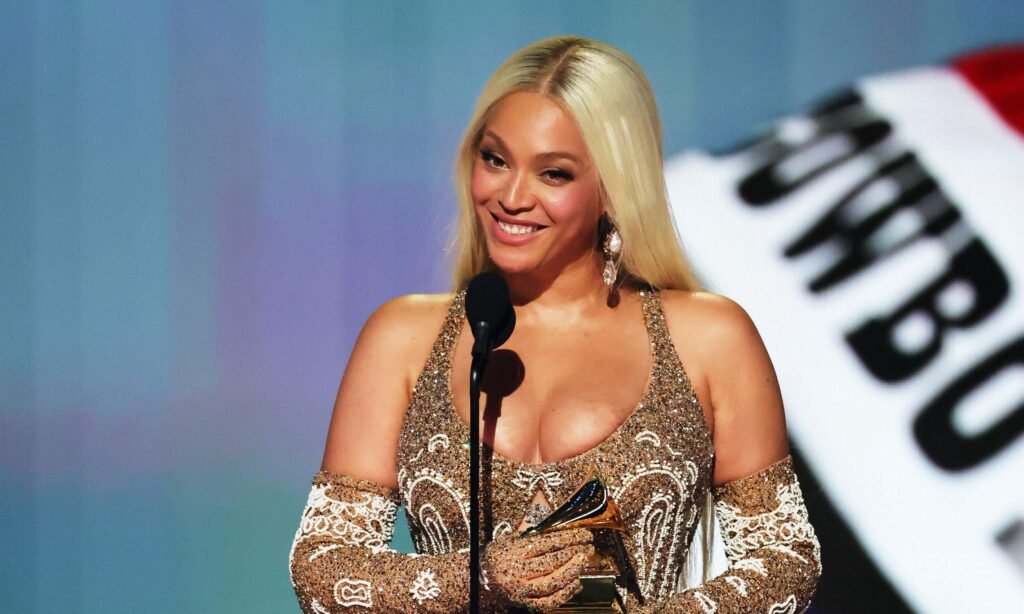
The Grammys stage moves fast—LED walls pulse, pyro goes off, and performers sprint from mic to mic. If you want frames that feel alive (not just technically correct), you need a plan that holds up under chaos. Here’s my practical playbook for photographing The Grammys performers—the same approach I rely on for big, televised shows where the light can be both magical and merciless.
Before the lights: permissions, rules, and a game plan
- Confirm credentials early. Ask for: pit or soundboard access, how many songs (often the first 2–3), and explicit no flash rules. Many live TV shows enforce silent shutters in the pit, too.
- Study the run of show. Flag high-energy cues (openers, finales, guest features) so you’re in position before they happen.
- Dress dark, move quietly, and bring ear protection. It sounds basic, but it keeps you invisible and focused.
- Sync time on all bodies and set accurate IPTC templates for fast captioning later (artist names, venue, date, credit, restrictions).
New to building a checklist? Start with our fundamentals: Camera kits and equipment and The essentials of photography.
Low light, high drama: gear that wins on awards stages
Camera bodies (reliable AF, low noise, anti-flicker)
You don’t need the priciest body, but you do need fast autofocus, clean high ISO, and good flicker control. Shortlist ideas:
- Sony a9 III (global shutter helps minimize LED banding) – check price
- Canon EOS R6 Mark II (great AF and anti-flicker tools) – check price
- Nikon Z8 (stacked sensor speed and robust AF) – check price
Not sure what body suits you? See our guide to the best full-frame cameras and brand roundups (Sony, Canon, Nikon).
Lenses that cover it all
- 70–200mm f/2.8: your workhorse from the pit or at FOH with a 1.4x. Shop options
- 24–70mm f/2.8: for full-body frames, duets, and big stage context. Shop options
- Fast primes (35/1.4, 50/1.4, 85/1.8): clutch for low light and cleaner backgrounds. See deals
If you’re still deciding, this piece helps weigh focal ranges vs. look: Understanding focal length and choosing the correct lenses.
Accessories I won’t skip
- Monopod for long glass at the soundboard – options
- Fast, reliable cards (CFexpress/SD UHS-II) + dual-slot recording – cards
- Lens hood always; protective UV filters can add flare with LEDs—see our lens filter guide
- In-ears or earplugs, black clothing, compact rain cover – essentials
Settings that stick (quick starting points)
- Shutter: 1/500–1/800 for energetic performances; dip to 1/250 for ballads. More on this in Shutter speed and controlling movement.
- Aperture: f/2.0–f/2.8 if AF holds; close to f/3.2–f/4 when multiple faces need focus. See Aperture and Depth of field.
- ISO: Auto with a cap you trust (e.g., 6400–12800) and exposure comp to protect highlights. Brush up on ISO and metering.
- WB: Auto is fine; stage gels will shift skin tones. Always shoot RAW for latitude (Working in RAW, White balance).
Beat the LEDs (banding and flicker fixes)
Modern award shows lean hard on LED walls and fixtures. They’re gorgeous—and notorious for banding with some electronic shutters. Practical moves:
- Use mechanical shutter if your camera shows banding with silent mode.
- Enable Anti-Flicker or High Frequency flicker tools; some bodies let you fine-tune shutter to the light’s PWM.
- Test “safe” shutter speeds during rehearsal or the first chorus (1/100, 1/125, 1/200 often behave better under 50/60Hz-driven rigs).
- Global shutter bodies (e.g., Sony a9 III) largely side-step the issue.
When in doubt, expose for skin, watch your histogram/zebras, and leave a cushion for the inevitable white spotlight punch.
Autofocus and timing: lock, track, and anticipate
- AF-C with face/eye detection; use Flexible Spot/Expand for backlit silhouettes.
- Back-button focus and a custom “AF-On” you can trust in strobe hits.
- Drive: High (but not H+ if your buffer chokes). CFexpress helps.
- Build a mental rhythm: chorus jump, guitar solo lean-in, mic handoff, pyro cues, confetti cannons.
Want a deeper refresher? Start here: Focusing and Understanding light.
Composition that feels like the show
- Use beams and haze as leading lines. Let the lights paint your frame.
- Mix tight emotion (70–200 at f/2.8) with wide context (24–35mm at f/2.8) for the story arc.
- Mind the LED wall—great for color, terrible when it clips. Reframe or wait one beat for a calmer background.
- Include crowd energy: hands, phones, tears. You’re photographing the moment, not just the person.
Photo pit etiquette (so you get invited back)
- Arrive early, claim an angle, and rotate politely. Don’t camp center for the whole song.
- Stay low, keep your hood on (less glare), and never block TV cameras or Steadicams.
- No flash. Ever. If you’re at FOH, a monopod keeps your framing steady and respectful.
Post: fast cull, clean color, publish while it trends
Speed matters on Grammy night. My flow is simple: cull fast, denoise smart, respect skin tones, and ship with clean captions.
- Cull: Photo Mechanic, AfterShoot, or Narrative Select to find keepers quickly.
- Denoise: Lightroom Denoise AI or Topaz Photo AI for ISO 12800+ files.
- Color: gentle HSL on reds/oranges for skin; tame neon magentas from LED washes.
- Export: long edge 3500–4500px JPEG sRGB, 80–90% quality; accurate IPTC (artist, venue, date, your credit).
- Backup: dual slot + on-site SSD + cloud later (the simple 3-2-1 rule).
Polish your finish with these deep dives: Post-production, Working in RAW, and a refresher on image resolution.
Quick FAQ for photographing The Grammys performers
Can I use flash? No. Broadcast shows and award stages forbid flash. Build a high-ISO, fast-glass strategy instead.
What’s the safest “first frame” setup? 1/640, f/2.8, Auto ISO (cap 12800), Auto WB, AF-C with eye detect, anti-flicker on, RAW.
From the soundboard, what focal length? 300–400mm full-frame equivalent. A 70–200 with 1.4x can work in a pinch, but 400mm isolates faces better.
How do I avoid LED banding? Try mechanical shutter, enable high-frequency flicker tools, and test alternative shutter speeds (1/100, 1/125, 1/200). Global shutter bodies help, too.
What should I wear/bring? Black clothing, comfortable shoes, earplugs, two bodies, 24–70 + 70–200, spare batteries/cards, monopod for FOH.
Gear picks mentioned above are linked with affiliate partners. If you buy through those links, we may earn a small commission at no extra cost to you. It helps us keep creating in-depth guides like this.
Related reads on NepShoot
- Behind the Lens: Capturing the Magic of The Grammys Performers
- Capturing the Glamour: How Photography Shapes the Image of The Grammys Performers
- Capturing the Moment: Behind the Scenes with The Grammys Performers
- Mirrorless camera basics & DSLR cameras
Want to sharpen fundamentals before a big night? Revisit balancing exposure manually and manual settings so you can adjust without looking down.
Good luck in the pit. Breathe, anticipate, and let the music move your shutter finger. That’s how you make frames that feel like the night everyone will remember.