
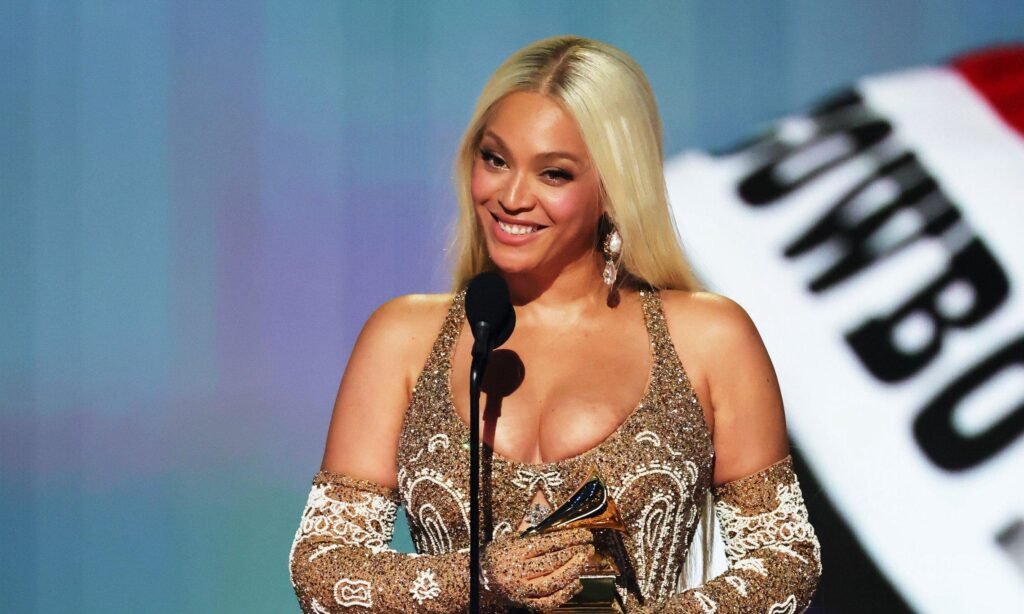
I still remember the first time I squeezed into the photo pit at a big awards show. The stage felt like its own planet—dizzying light, jet-black floors reflecting laser beams, and performers who seemed to command gravity. Photographing The Grammys performers has that exact energy, only louder, brighter, and much faster. Here’s how I approach it—gear choices, settings, positioning, and the tiny fixes that keep images clean when LED walls and pyro try to ruin your day.
Quick note: Some links below are affiliate links. If you buy through them, we may earn a small commission at no extra cost to you. It helps keep NepShoot running and ad‑light. Thank you!
Prep: the unsexy part that makes the magic happen
The Grammys is organized chaos. Weeks before, I outline a simple shot list for the performers I’m assigned: hero shot (face and mic hand), one emotional close-up, one dynamic wide with stage design, a moment with the band or dancers, and something unexpected—confetti, an off-mic laugh, an eye contact glance with the crowd. If rehearsals are accessible (sometimes they are, often for house photographers), I’ll scout angles and note lighting color cycles.
Also, double-check your kit and backups. Two bodies minimum, fresh shutter count, and media redundancy. If you’re considering moving to a modern body for events, read our take on mirrorless cameras and our picks for best full-frame cameras.
My Grammys-ready kit
For a fast, LED-heavy stage, I want world-class AF, silent shooting, and clean high ISO. Any of these bodies will carry you:
- Sony a9 III (global shutter, elite AF) – Amazon | B&H
- Canon EOS R3 (sticky subject tracking, great ergonomics) – Amazon | B&H
- Nikon Z9 (flagship AF, blackout-free, rugged) – Amazon | B&H
Lenses? The classic event trio: 24–70mm f/2.8, 70–200mm f/2.8, and one fast prime (35mm, 50mm, or 85mm). I run a short zoom on one body, long zoom on the other. If you’re curious how these zooms render, we’ve covered a few closely related pieces of glass:
- Nikon AF-S 24–70mm f/2.8E VR
- Nikon AF-S 70–200mm f/2.8E FL ED VR
- Nikon AF-S 85mm f/1.8G and Nikon AF-S 50mm f/1.8G
Affiliate picks if you’re building a kit: Sony 70–200mm f/2.8 GM II – Amazon; a sturdy monopod like the Manfrotto XPRO – Amazon. Ear protection matters more than we admit: Etymotic ER20XS – Amazon.
Settings that survive wild stage lighting
Stage lighting at The Grammys swings from moody to retina-melting within seconds. I keep a fast baseline, then ride exposure compensation and ISO limits as the light changes.
- Shutter speed: 1/640–1/1000 sec for performers with big movement. Brush up on why in Shutter Speed.
- Aperture: f/2–f/2.8 for separation without losing too many keepers to shallow depth of field. More on that in Aperture.
- ISO: Auto ISO capped at 6400–12800 depending on the body. If you’re new to managing noise, read ISO.
- Metering: I favor center-weighted or evaluative with exposure comp on a dial. See Metering and Manual Balancing.
Autofocus: subject tracking with face/eye priority, back-button AF, and a mid-size flexible zone. If the AF hunts through haze or lasers, I’ll bump to a slightly larger zone and aim for high-contrast edges (jacket seams, mic logo). More AF tips here: Focusing.
LED walls, flicker, and banding—what to do
Modern Grammys stages love LED. That means potential flicker and rolling-band artifacts at certain shutter speeds. Three things help a lot:
- Enable anti-flicker or high-frequency anti-flicker.
- Favor shutter speeds that play nice with mains frequency (multiples of 1/50 or 1/60) when the banding gets ugly.
- If you shoot a lot of LED-heavy shows, the Sony a9 III’s global shutter is a lifesaver against banding.
White balance can go neon in a heartbeat. I’ll start at 4000–4800K, then bias warmer or cooler per act. For consistency across a set, lock WB instead of Auto. Deeper dive: White Balance and Understanding Light.
Where to stand (and when to move)
At The Grammys, you’ll usually get a pit window (often the first one to three songs) and possibly a FOH (front of house) position. I start center for a clean hero, then shift to left/right pit for leading lines and flare. When TV cameras swing, I kneel and stay tight so I’m invisible. Between songs, I’ll trade sides. If there’s a big stage reveal or pyro, time your move one verse early.
- Pit: two bodies on short straps, one lens hood reversed (so you don’t clip a barrier).
- FOH: monopod plus 70–200mm; if allowed, a 120–300mm or 100–400mm can be clutch.
- Side stage/balcony: great for silhouettes against LED walls and confetti cannons.
Etiquette matters: don’t block broadcast cameras, don’t lift arms into sightlines, and keep the “quiet” of silent shutter. Black clothes. Earplugs. Smile at security—it helps when you need a quick reposition.
Composing for music and TV
Performance photography is rhythm. I look for a triangle—performer, light source, and a graphic element (mic stand, LED shape, dancer). I shoot tight for emotion (eyes, hand on mic, tattoos) and wide for context (stage design, crowd hands, pyro trails). Negative space matters when art directors need layout room for type.
If you want to polish the basics before tackling a live show, skim our fundamentals: The Essentials of Photography, plus gear sanity checks in Camera Kits & Equipment.
Post: fast, clean, and consistent
Speed is part of the job. I cull on deadline, tag performers and song names, then deliver a color-stable set to editors. RAW gives me headroom to fix violent color swings and LED banding remnants. My quick workflow:
- Ingest with backups to two drives; build 1:1 previews.
- Global color cast fix, then HSL skin clean-up (watch greens and magentas from LED).
- Mid-micro contrast with clarity/texture; gentle Dehaze for haze-heavy sets.
- Spot heal glitter flares and stray confetti.
- Export hero frames first, then the rest as a cohesive set.
Brush up with our guides: Working in RAW and Post-Production.
My Grammys performer shot list (cheat sheet)
- Hero tight shot (eyes + mic hand)
- Signature move (hair flick, jump, piano lean)
- Stage-wide with design/LED motif
- Crowd interaction (point, smile, reach)
- Pyro/confetti/haze silhouette
- Candid between songs (laugh, glance off mic)
Packing list that never fails
- Two mirrorless bodies with silent shutter
- 24–70mm f/2.8 + 70–200mm f/2.8, fast 35/50/85mm
- Monopod, quick-release plate, gaffer tape
- Rain cover for bodies/lenses
- Earplugs, black clothing, small microfiber cloth
- Spare batteries and high-speed cards
If you’re choosing your first serious kit, this will help: DSLR Cameras vs Mirrorless, and a peek at camera kit essentials.
Final thought
Photographing The Grammys performers isn’t about spraying and praying. It’s listening—feeling the swell before the chorus hits, seeing the light turn just a half-second ahead, trusting your settings, and being kind in the pit. Do that, and the frames carry the electricity people felt on their couches at home.
Got questions about gear or workflow? Drop them in the comments. And if this helped, share it with a friend who’s about to photograph their first big show. See you in the pit.