
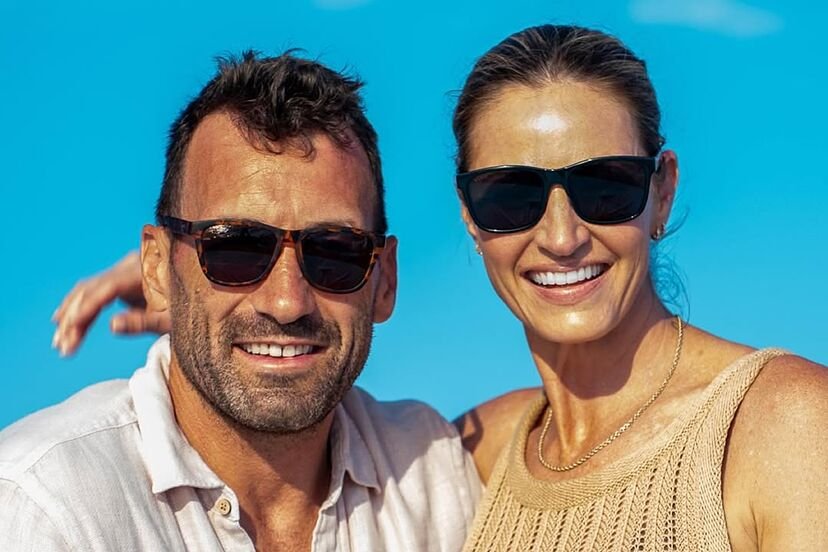
I’ve spent enough evenings on rainy sidelines to know this: the best sports broadcasters see like photographers. Erin Andrews is one of them. Whether she’s anchoring a live hit in the chaos of an NFL game or guiding a pregame story, you can feel the same instincts we use behind the lens—timing, composition, and a nose for moments that matter.
Disclosure: This story contains affiliate links. If you buy through them, we may earn a small commission at no extra cost to you.
Who Erin Andrews is (and why photographers should care)
Erin Andrews is a veteran American sports broadcaster best known for her work on the NFL with FOX Sports. She’s also a producer, entrepreneur, and a relentless storyteller. Even if she isn’t carrying a 400mm on game day, her process mirrors a shooter’s mindset: scout, anticipate, compose, deliver. If you’ve ever followed her pregame reports or tunnel hits, you’ve seen a broadcast version of our still-photo workflow—only with the clock ticking and millions watching live.
If you want the broader media angle, I’ve written about it before: Erin Andrews, sports photography, and media and how she bridges sports and photography. For FOX’s wider visual strategy, see the role of photography in sports broadcasting.
The sideline is a studio—if you build it fast
Sidelines are messy: cables, crew, security, bench players, fans reaching over the rail. Yet Erin’s hits feel composed. Photographers can learn a lot from that. She’ll angle for clean backgrounds (team color walls, LED boards, or bokeh from the end-zone lights), then deliver to camera with an energy that matches the game’s tempo. When I shoot next to broadcast teams, I often think of it as a pop-up studio: find your light, set your exposure, get the shot, move on.
Want to tune the “action” side of your settings? Brush up on shutter speed, controlling movement, and fast autofocus. Stadium lighting is its own beast—this refresher on understanding light, ISO, and white balance is gold before your next night game.
What broadcasters teach photographers about story
- Open with context. Erin rarely jumps straight to the highlight. She frames the who, why, and now. As shooters, do the same: start with a wide to set the scene before you punch in.
- Chase micro-moments. An offhand nod between a QB and WR, a coach’s hand on a rookie’s shoulder—those are your “broadcast nuggets” in stills.
- Compose for energy. Stagger your layers—foreground fans, mid-field play, background scoreboard glow—to sell the atmosphere.
- Cut clean. Editors trim fast; photographers do, too. Cull ruthlessly, then sequence your set like a highlight reel.
Great sideline work isn’t just about speed. It’s how quickly you can find a story and frame it—then let the emotion breathe.
Field notes, NepShoot
Gear that thrives on the sideline
Erin’s crew works alongside photographers running long glass and fast bodies. If you’re building a nimble kit for football, here’s a proven baseline. I’ve listed options across systems—choose what fits your hands and budget.
- Primary body (45–50MP or flagship AF): Sony Alpha 1, Canon EOS R3, or Nikon Z9. Also see our roundup of best full-frame cameras.
- Long glass for plays across the field: 300/2.8 or 400/2.8 on a monopod. Quick picks: shop 400mm f/2.8 or shop 300mm f/2.8. Lens talk? Browse our long-lens notes: Nikon 600mm f/4E and Nikon 300mm f/2.8 VR II.
- Workhorse zoom for everything else: 70–200mm f/2.8 is your MVP. See 70–200mm options. Compare with our lens guides: Nikon, Canon, Fujifilm, Leica, and Tamron.
- Monopod + rain cover: A sturdy, quick-twist monopod and simple storm jacket keep you shooting. Monopods and rain covers.
- Cards + reader: CFexpress Type B for flagships. Shop CFexpress.
- Filters: A clear protector or haze-cutting UV can help with spray and glare. More on filters here: filters for camera lenses.
Brand curious? Dive into our quick trends: Top-sold Sony, Canon, and Nikon.
Settings that make live hits (and photos) look pro
- Action baseline: 1/1000–1/2000s, f/2.8–f/4, Auto ISO (cap at your noise comfort). Check your metering against LED boards—they can trick evaluative modes.
- Faces first: Stadium lights go green/magenta fast. Dial in a custom WB or shoot RAW and finesse later; here’s a primer on working in RAW.
- AF settings: Use continuous AF with subject tracking. Don’t be shy about expanding your zone on chaotic scrums.
- Audio awareness (for hybrid shooters): Keep a low-profile shotgun handy and monitor levels. You’ll thank yourself in the edit.
The dance between broadcast crews and photographers
One thing I respect about Erin: she’s constantly threading the needle between access and respect. There are lanes for broadcasters, lanes for stills, lanes for TV cams. A good day is when everyone gets what they need, and nobody steps into a live frame or active play. If you’re new to big-league sidelines, introduce yourself to the nearest cam op and the stills lead. Two minutes of courtesy saves ten headaches later.
From field to feed: a quick workflow
- Tag selects in-camera as you shoot. Your future self will thank you.
- Dump to mobile for fast delivery—AirDrop or camera app—then hit a tight preset in Lightroom Mobile.
- Caption like a broadcaster: who, what, where, why it matters. See our notes on post-production for small, smart tweaks that travel well on social.
If Erin Andrews inspires you to shoot smarter, try this
- Pre-game scout: Walk the stadium edge 30–45 minutes early. Find three “clean” backgrounds you can return to.
- Story beats: List three narratives you want to follow—injury comeback, rookie debut, coaching rivalry. Build your set around those.
- Lens discipline: Commit to one lens per drive/possession. It forces better composition and faster footwork.
- Debrief: After the game, sequence your 12 best frames like a 60-second TV package. It’ll sharpen your eye.
New to building a sideline-ready kit? Start here: camera kits and equipment and our essentials of photography. If you’re considering a small POV add-on for creative angles, peek at action cameras.
At the end of the day, Erin Andrews reminds me that great sports images—moving or still—are built on the same spine: preparation, empathy, and timing. Get those right, and whether you’re talking into a lens or shooting through one, your audience will feel the game in their bones.